A car that shakes or vibrates is telling you something is wrong, and when it shakes is the best clue to why. Idle vibration was the most common issue found in a 2026 dubizzle analysis of more than 20,000 UAE car inspections, so you are not alone. Here is how to narrow it down.
1. Shaking at idle (car stopped, engine running)
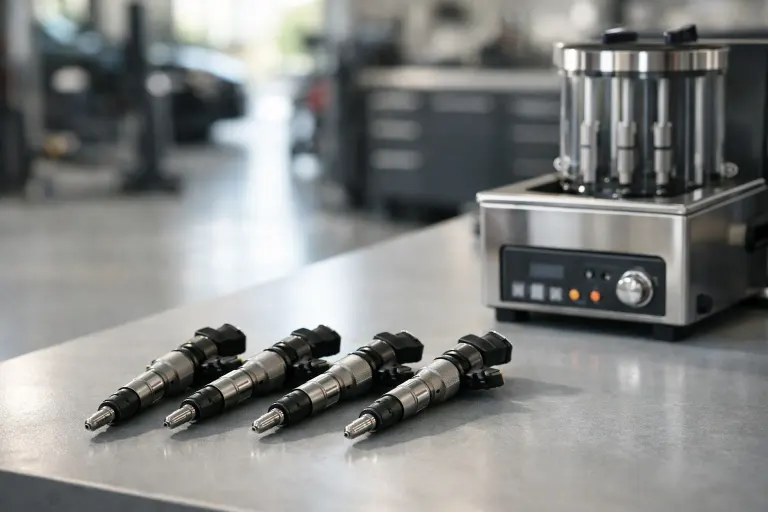
- Misfire: a worn spark plug, failing ignition coil or dirty injector makes one cylinder work less, and the engine shakes. Often there is a check-engine light, sometimes flashing.
- Worn engine or gearbox mounts: rubber mounts harden and crack with heat and age, so normal engine vibration reaches the cabin. Often worse with the AC on or when shifting into Drive.
- Vacuum leak: a cracked hose or intake gasket lets in unmeasured air and makes the idle rough or hunting.
- Dirty throttle body or idle control: the engine struggles to hold a steady idle.
- AC load: a little extra vibration when the AC compressor engages is normal; a big change is not.
Quick test: if the shaking eases when you shift from Drive to Neutral or Park, worn mounts or the gearbox are likely suspects.
2. Shaking when braking
- Uneven (warped) brake discs: the most common cause; you feel pulsing through the pedal and steering wheel.
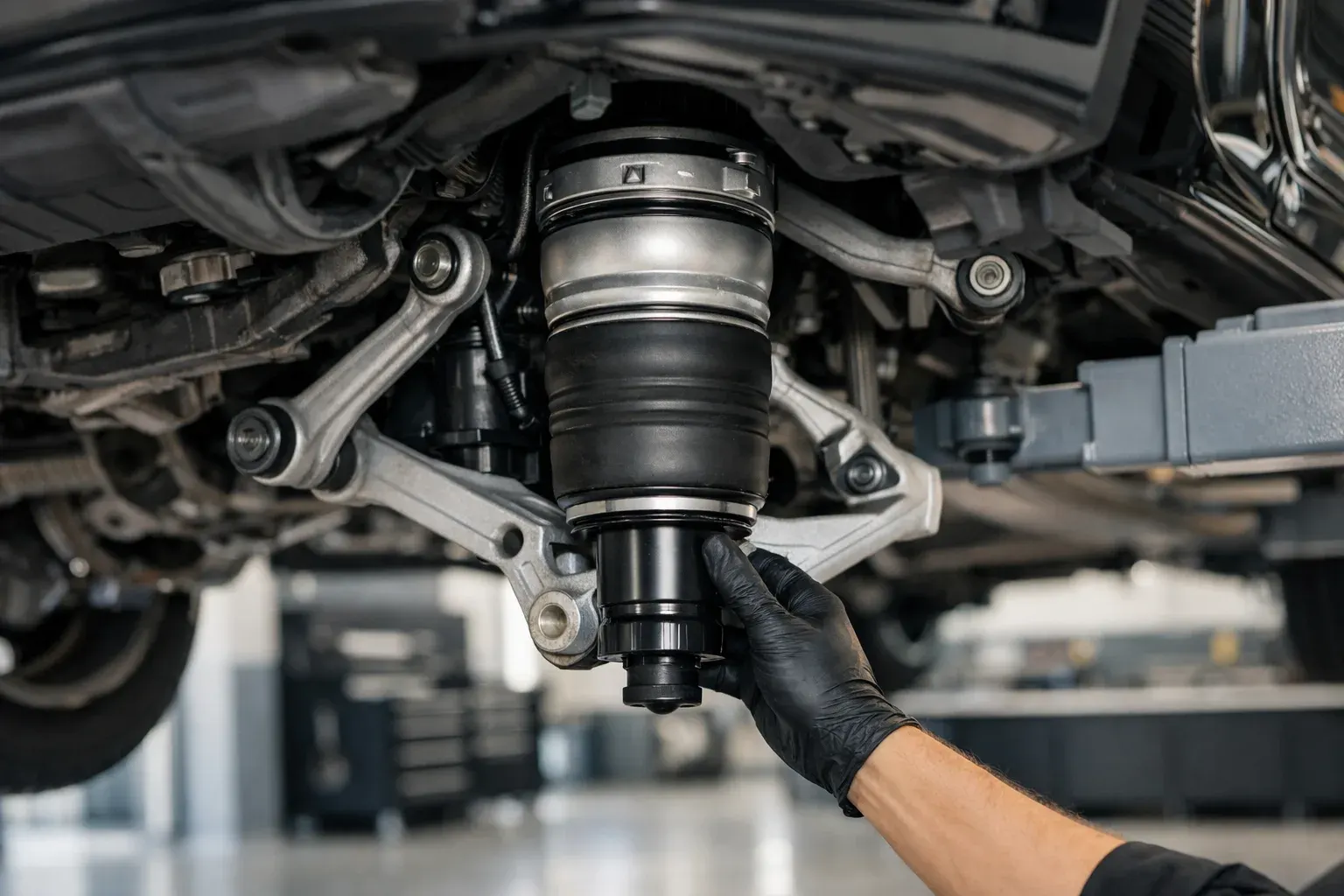
- Worn suspension bushes: on many German cars, worn front control-arm or thrust-arm bushes cause shake under braking even with good discs.
- Sticking caliper: often with a burning smell and pulling to one side.
3. Shaking at motorway speed (around 80–120 km/h)
- Wheel balance: a lost balance weight is the classic cause of steering-wheel shake at a particular speed.
- Tyre damage: a bulge, a separated tread or flat spots; check all four tyres.
- Bent rim: after hitting a pothole or kerb.
- Worn wheel bearing or suspension joints: usually with a hum or knock as well.
4. Shaking when accelerating
- Driveshaft or CV joints: vibration under load that eases when you lift off.
- Engine mounts: the engine rocks under torque.
- Misfire under load: often coils or plugs on turbo engines.
- Gearbox judder: on dual-clutch gearboxes, judder when pulling away can mean clutch or mechatronic issues.
What is urgent?
- Stop and check now if the check-engine light is flashing, the shake is violent, or it came on suddenly after hitting something.
- Book soon for steady vibration that is new or getting worse.
- A tyre problem at motorway speed can become a blowout, so never ignore shaking that started after an impact.
How a garage finds the cause
- A road test to feel when the vibration happens
- A computer scan for misfire counts and fault codes
- A lift inspection of mounts, bushes, joints, bearings and tyres
- Wheel balancing and a brake disc check where needed
Describing when it shakes (speed, braking, AC on or off, cold or hot) helps the technician find it faster.
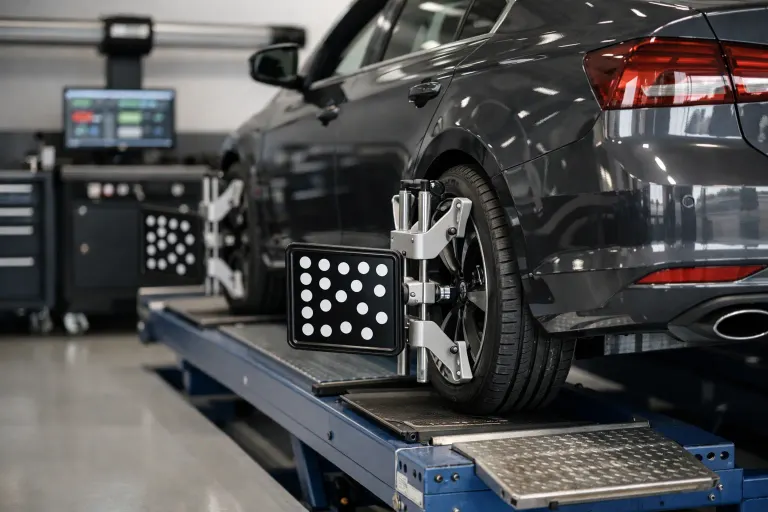
At Partinn Auto Service we diagnose vibration with a road test, a full scan and a lift inspection before replacing anything. Related: suspension repair, engine repair, wheel alignment and brake repair.
Need a hand?
Tell us when your car shakes on WhatsApp 052 296 5483 or call 058 821 2219. We are in Dubai Investment Park 2, open Monday to Saturday, 9 AM to 10 PM.