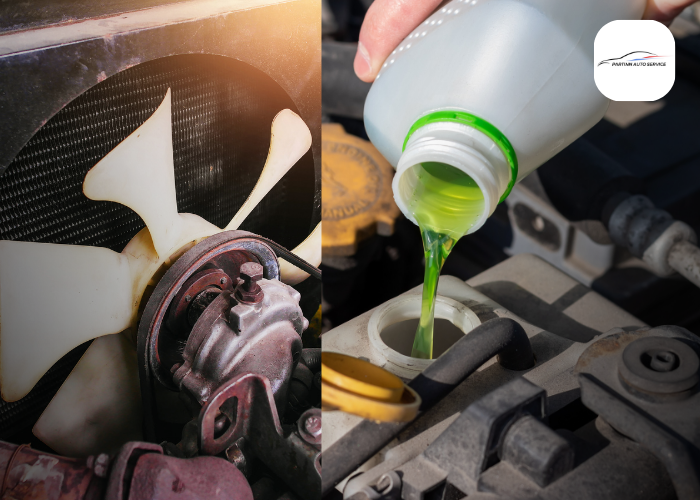
Introduction: Engine Overheating Crisis in Dubai's Extreme Heat
Dubai's relentless summer heat, with temperatures frequently reaching 50°C (122°F) and intense sunlight, creates the perfect storm for engine overheating. Your vehicle's cooling system works harder in Dubai than almost anywhere else in the world, making proper maintenance and understanding overheating solutions absolutely critical for vehicle safety and longevity.
At Partinn Auto Service, we've seen countless vehicles suffer from overheating issues that could have been prevented with proper maintenance. This comprehensive guide will help you understand engine cooling systems, recognize overheating warning signs, and implement effective solutions—all tailored to Dubai's extreme climate conditions.
Why Engine Overheating is More Common in Dubai
Understanding why overheating occurs more frequently in Dubai helps you take preventive measures:
1. Extreme Ambient Temperatures
Dubai's summer temperatures can exceed 50°C, creating an environment where your engine's cooling system must work at maximum capacity. The temperature difference between the engine and ambient air is reduced, making heat dissipation more challenging.
2. High Humidity Levels
High humidity reduces the cooling efficiency of radiators and condensers. Moisture in the air prevents effective heat transfer, forcing your cooling system to work harder.
3. Stop-and-Go Traffic
Dubai's traffic conditions mean your engine generates heat without adequate airflow. Extended idling in traffic jams, especially during peak hours, significantly increases overheating risk.
4. Sand and Dust Contamination
Dubai's sandy environment means radiators and cooling fins get clogged faster. Sand and dust block airflow through the radiator, reducing cooling efficiency by up to 40%.
5. Extended A/C Usage
Running your air conditioning continuously adds extra load to the engine, generating additional heat that the cooling system must dissipate.
Understanding Your Engine's Cooling System
Your vehicle's cooling system is a complex network of components working together to maintain optimal engine temperature:
Key Components:
- Radiator: The primary heat exchanger that cools the engine coolant
- Water Pump: Circulates coolant through the engine and radiator
- Thermostat: Regulates coolant flow to maintain optimal temperature
- Coolant: Heat-absorbing fluid that transfers heat away from the engine
- Radiator Fan: Provides additional airflow when the vehicle is stationary
- Coolant Hoses: Transport coolant between components
- Radiator Cap: Maintains system pressure and prevents coolant loss
- Heater Core: Uses engine heat for cabin heating (also part of cooling circuit)
In Dubai's extreme conditions, each component must function perfectly. A failure in any part can lead to catastrophic engine damage.
Warning Signs of Engine Overheating
Recognizing early warning signs can prevent expensive engine damage. Watch for these indicators:
1. Temperature Gauge Rising
If your temperature gauge moves into the red zone or shows higher than normal readings, this is the most obvious warning sign. Modern vehicles may display a warning light instead.
2. Steam from Under the Hood
Visible steam or white smoke from the engine bay indicates coolant is boiling—a serious overheating situation requiring immediate attention.
3. Coolant Warning Light
Most modern vehicles have a coolant temperature warning light. Never ignore this warning, especially in Dubai's heat.
4. Unusual Engine Noises
Knocking, pinging, or ticking sounds can indicate overheating. These sounds occur when engine components expand beyond normal tolerances.
5. Reduced Engine Performance
An overheating engine may experience power loss, rough idling, or hesitation. The engine computer may reduce power to protect components.
6. Coolant Leaks
Puddles of green, orange, or pink fluid under your vehicle indicate coolant leaks. Low coolant levels lead to overheating.
7. Sweet Smell
A sweet, syrupy smell inside or outside your vehicle indicates coolant is leaking and evaporating—a sign of potential overheating risk.
8. Heater Not Working
If your heater stops producing warm air, it may indicate low coolant levels, as the heater uses engine coolant to generate heat.
Immediate Actions When Your Engine Overheats
If your engine starts overheating while driving, follow these critical steps:
Step 1: Turn Off A/C and Turn On Heater
Immediately turn off your air conditioning to reduce engine load. Turn the heater to maximum heat and fan speed—this helps transfer heat away from the engine to the cabin.
Step 2: Find a Safe Place to Stop
Pull over to a safe location as soon as possible. Avoid stopping in the middle of traffic. If you're on a highway, use the emergency lane.
Step 3: Turn Off the Engine
Once safely stopped, turn off the engine immediately. Do not attempt to drive further, as this can cause severe engine damage.
Step 4: Open the Hood (Carefully)
Open the hood to allow heat to escape, but be extremely careful—steam and hot components can cause serious burns. Wait at least 15-20 minutes before attempting to check coolant levels.
Step 5: Check Coolant Level (When Safe)
After the engine has cooled, check the coolant reservoir. Never open the radiator cap while the engine is hot—pressurized steam can cause severe burns.
Step 6: Call for Professional Help
Contact a professional service like Partinn Auto Service at +971 52 296 5483. We offer free recovery services throughout Dubai. Do not attempt to drive an overheated vehicle.
Important: Never pour cold water into an overheated engine. The sudden temperature change can cause engine block cracking—a catastrophic failure that requires complete engine replacement.
Common Causes of Engine Overheating in Dubai
Understanding the root causes helps prevent overheating issues:
1. Low Coolant Levels
The most common cause. Coolant can be lost through leaks, evaporation, or neglect. In Dubai's heat, coolant evaporates faster, requiring more frequent checks.
2. Coolant Leaks
Leaks can occur in hoses, radiator, water pump, heater core, or engine gaskets. Even small leaks can lead to significant coolant loss over time.
3. Faulty Thermostat
A stuck-closed thermostat prevents coolant from circulating, causing rapid overheating. A stuck-open thermostat prevents the engine from reaching optimal temperature, reducing efficiency.
4. Water Pump Failure
The water pump circulates coolant. A failing pump means no coolant circulation, leading to immediate overheating. Water pumps typically last 60,000-100,000 kilometers.
5. Clogged or Blocked Radiator
Sand, dust, and debris in Dubai's environment can block radiator fins, reducing airflow and cooling efficiency. External blockages are common, but internal corrosion can also occur.
6. Radiator Fan Malfunction
Electric fans that don't activate when needed cause overheating, especially in traffic. Fan motors, relays, or sensors can fail.
7. Old or Contaminated Coolant
Coolant loses its effectiveness over time. Contaminated coolant (mixed with oil or rust) cannot transfer heat effectively. Coolant should be replaced every 2-3 years or 50,000 kilometers.
8. Blocked Coolant Passages
Rust, scale, or debris can block internal coolant passages in the engine, preventing proper cooling.
9. Head Gasket Failure
A blown head gasket allows coolant to leak into combustion chambers or mix with engine oil, causing overheating and potential engine damage.
10. Excessive Engine Load
Towing heavy loads, aggressive driving, or extended idling in extreme heat can overwhelm the cooling system.
Preventive Maintenance for Dubai's Extreme Conditions
Regular preventive maintenance is your best defense against engine overheating in Dubai:
1. Regular Coolant Level Checks
Check your coolant level every two weeks, especially during summer months. The coolant reservoir should be between the "MIN" and "MAX" marks when the engine is cool.
2. Coolant Flush and Replacement
Have your coolant system flushed and refilled every 2-3 years or 50,000 kilometers. Old coolant loses its anti-corrosion and heat-transfer properties. At Partinn Auto Service, we use manufacturer-approved coolants for your specific vehicle.
3. Radiator Cleaning
Have your radiator professionally cleaned every 12 months. Sand and dust accumulation in Dubai can reduce cooling efficiency by 30-40%. We use specialized equipment to clean both external fins and internal passages.
4. Hose Inspection
Inspect coolant hoses for cracks, bulges, or soft spots every 6 months. Dubai's heat accelerates hose deterioration. Replace hoses showing signs of wear.
5. Radiator Cap Replacement
The radiator cap maintains system pressure. A faulty cap can cause coolant loss and overheating. Replace the cap every 2-3 years or if you notice coolant loss without visible leaks.
6. Thermostat Replacement
Replace the thermostat every 60,000-80,000 kilometers or if you experience temperature fluctuations. A properly functioning thermostat is critical for engine temperature regulation.
7. Water Pump Inspection
Have your water pump inspected during every major service. Look for leaks, bearing wear, or impeller damage. Water pumps typically last 100,000 kilometers but may fail earlier in extreme conditions.
8. Use Quality Coolant
Always use the correct type of coolant for your vehicle. Mixing different coolant types can cause chemical reactions that reduce effectiveness. Consult your owner's manual or our technicians for the right coolant type.
9. Monitor Temperature Gauge
Pay attention to your temperature gauge. If it consistently runs higher than normal, have your cooling system inspected immediately.
10. Pre-Trip Inspections
Before long trips, especially during summer, have your cooling system professionally inspected. This is especially important for luxury vehicles like Mercedes, BMW, and Audi, which have complex cooling systems.
Professional Cooling System Service at Partinn Auto Service
Our comprehensive cooling system service includes:
- Complete System Inspection: Thorough examination of all cooling system components
- Coolant Level Check and Top-Up: Using manufacturer-approved coolants
- Coolant Flush and Replacement: Removing old coolant and replacing with fresh, properly mixed coolant
- Leak Detection: Advanced pressure testing and dye testing to locate all leaks
- Radiator Cleaning: Internal and external cleaning to restore maximum efficiency
- Thermostat Testing and Replacement: Ensuring proper temperature regulation
- Water Pump Inspection: Checking for leaks, bearing wear, and proper operation
- Hose Inspection and Replacement: Replacing worn or damaged hoses
- Radiator Cap Testing: Verifying proper pressure maintenance
- Fan System Testing: Ensuring electric fans activate at correct temperatures
- System Pressure Testing: Verifying the system holds proper pressure
- Performance Testing: Confirming optimal cooling efficiency
We specialize in cooling system service for luxury vehicles including Mercedes, BMW, Audi, Porsche, Lexus, and other premium brands. Our state-of-the-art facility in DIP 2, Dubai, is equipped with the latest diagnostic equipment and genuine parts.
Cooling System Components: When to Replace
Understanding component lifespans helps you plan maintenance:
Coolant
Replacement Interval: Every 2-3 years or 50,000 kilometers
Signs of Replacement Needed: Discolored coolant, visible contaminants, or overheating issues
Thermostat
Replacement Interval: Every 60,000-80,000 kilometers
Signs of Replacement Needed: Temperature fluctuations, engine running too hot or too cold, stuck open or closed
Water Pump
Replacement Interval: Every 100,000 kilometers or when leaking
Signs of Replacement Needed: Coolant leaks from pump, bearing noise, overheating, reduced coolant circulation
Radiator
Replacement Interval: When damaged or severely corroded
Signs of Replacement Needed: Visible leaks, severe corrosion, blocked passages, reduced cooling efficiency
Coolant Hoses
Replacement Interval: Every 60,000-100,000 kilometers or when showing wear
Signs of Replacement Needed: Cracks, bulges, soft spots, leaks, or visible deterioration
Radiator Cap
Replacement Interval: Every 2-3 years or when not holding pressure
Signs of Replacement Needed: Coolant loss without visible leaks, system not holding pressure
Cost Considerations for Cooling System Service in Dubai
Cooling system service costs vary based on the work required:
- Coolant Top-Up: AED 150-300 (includes inspection)
- Coolant Flush and Replacement: AED 400-800 (depending on vehicle type)
- Radiator Cleaning: AED 300-600 (external and internal cleaning)
- Thermostat Replacement: AED 400-800 (including labor and parts)
- Water Pump Replacement: AED 800-2,500 (varies significantly by vehicle)
- Radiator Replacement: AED 1,500-4,000 (depending on vehicle and radiator type)
- Hose Replacement: AED 200-500 (per hose, including labor)
- Complete Cooling System Service: AED 1,200-2,500 (comprehensive inspection and service)
Regular maintenance is always more cost-effective than emergency repairs. A simple coolant flush can prevent water pump failure, which can cost thousands of dirhams. Our preventive maintenance packages help you save money while ensuring your cooling system operates at peak efficiency.
Luxury Vehicle Note: Mercedes, BMW, and Audi vehicles often have more complex cooling systems with additional components (auxiliary water pumps, multiple thermostats, etc.), which may increase service costs. However, proper maintenance prevents much more expensive repairs.
Special Considerations for Luxury Vehicles in Dubai
Luxury vehicles have unique cooling system requirements:
Mercedes-Benz
Mercedes vehicles often feature advanced cooling systems with multiple cooling circuits, auxiliary water pumps, and sophisticated temperature management. These systems require specialized knowledge and genuine Mercedes parts for proper service.
BMW
BMW engines are known for running hot for efficiency. Their cooling systems are precisely calibrated and require BMW-specific coolants and proper bleeding procedures. Electric water pumps are common in modern BMWs.
Audi
Audi vehicles, especially those with turbocharged engines, have complex cooling systems with intercoolers and additional cooling circuits. Proper maintenance is critical to prevent turbocharger damage from overheating.
Porsche
High-performance Porsche engines generate significant heat. Their cooling systems are designed for performance and require specialized service procedures and premium coolants.
At Partinn Auto Service, our certified technicians have extensive experience with luxury vehicle cooling systems. We use only genuine or manufacturer-approved parts and follow factory service procedures.
Emergency Overheating: What to Do and What Not to Do
If your engine overheats, follow these critical do's and don'ts:
DO:
- Turn off the A/C immediately
- Turn on the heater to maximum
- Pull over safely as soon as possible
- Turn off the engine immediately
- Open the hood (carefully) after the engine cools
- Call for professional help
- Wait at least 20 minutes before checking coolant
- Use our free recovery service if needed
DON'T:
- Continue driving with an overheating engine
- Open the radiator cap while the engine is hot
- Pour cold water into an overheated engine
- Ignore warning lights or temperature gauges
- Attempt to repair the system yourself without proper knowledge
- Use incorrect coolant types
- Mix different coolant types
- Ignore small coolant leaks
Conclusion: Protect Your Engine from Dubai's Extreme Heat
Engine overheating is one of the most serious issues you can face as a vehicle owner in Dubai. The extreme climate conditions make proper cooling system maintenance absolutely essential. Regular maintenance, early problem detection, and professional service are key to preventing costly engine damage.
At Partinn Auto Service, we're committed to providing the highest quality cooling system service for all vehicle types in Dubai. Our certified technicians have extensive experience with luxury vehicles and use only genuine parts and manufacturer-approved fluids.
Don't wait until your engine overheats on Dubai's scorching roads. Schedule your cooling system service today and ensure your vehicle is prepared for extreme conditions. Contact us at +971 52 296 5483 or request a free quote online.
Remember: A well-maintained cooling system not only prevents engine damage but also ensures optimal performance, fuel efficiency, and vehicle reliability—essential for safe driving in Dubai's challenging climate. Regular maintenance is always more cost-effective than emergency repairs, and it protects your investment in your vehicle.
If you experience engine overheating, remember we offer free vehicle recovery services throughout Dubai. Your safety and your vehicle's protection are our top priorities.